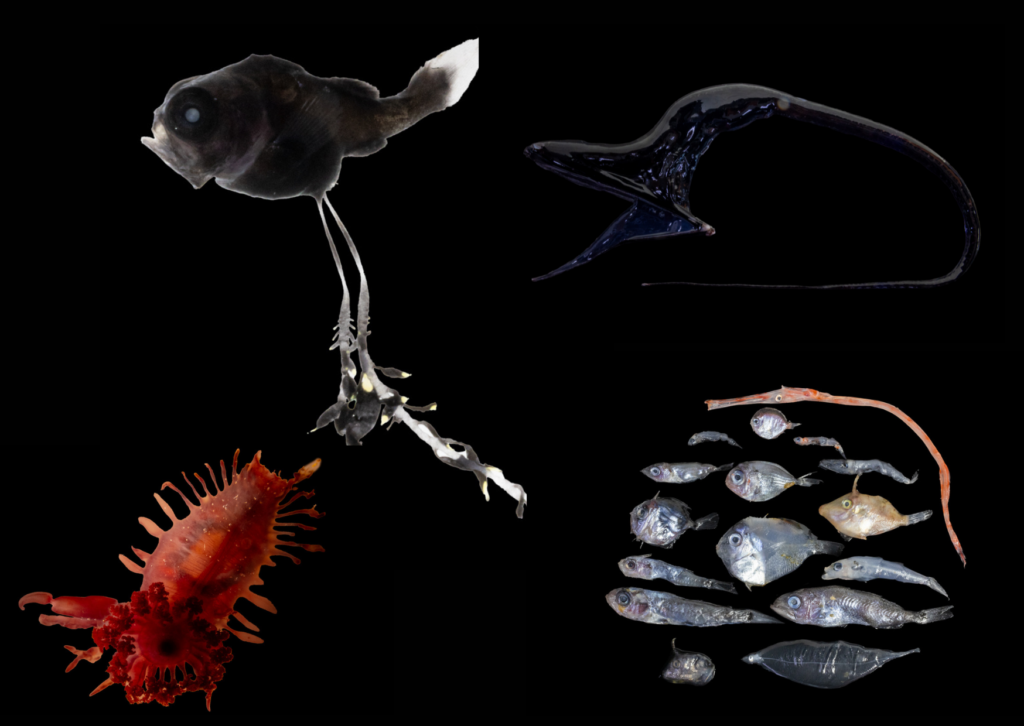
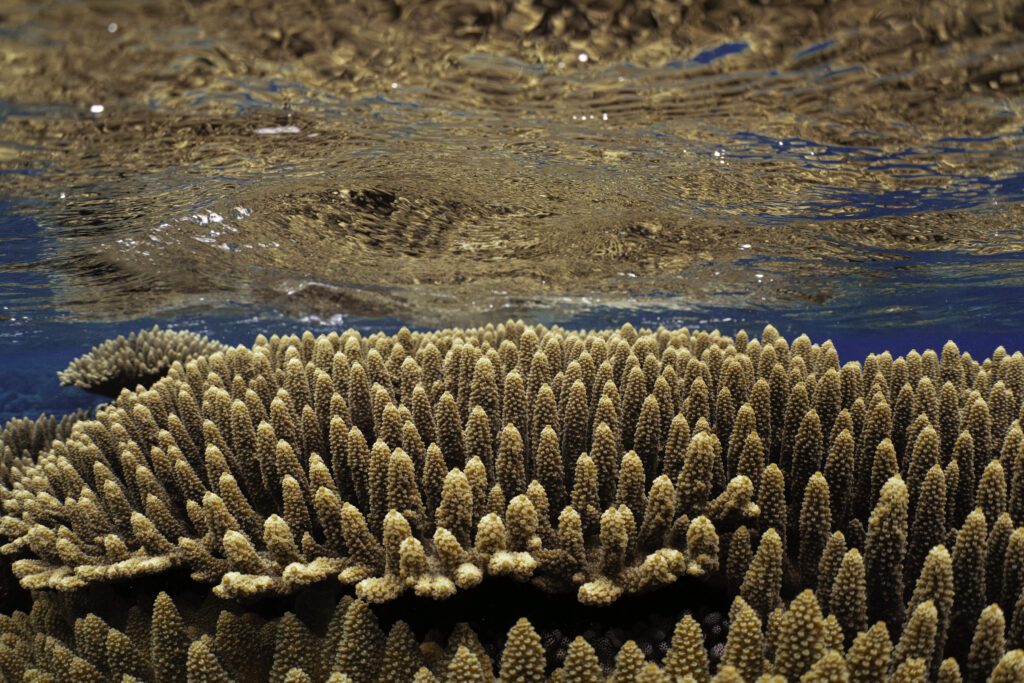
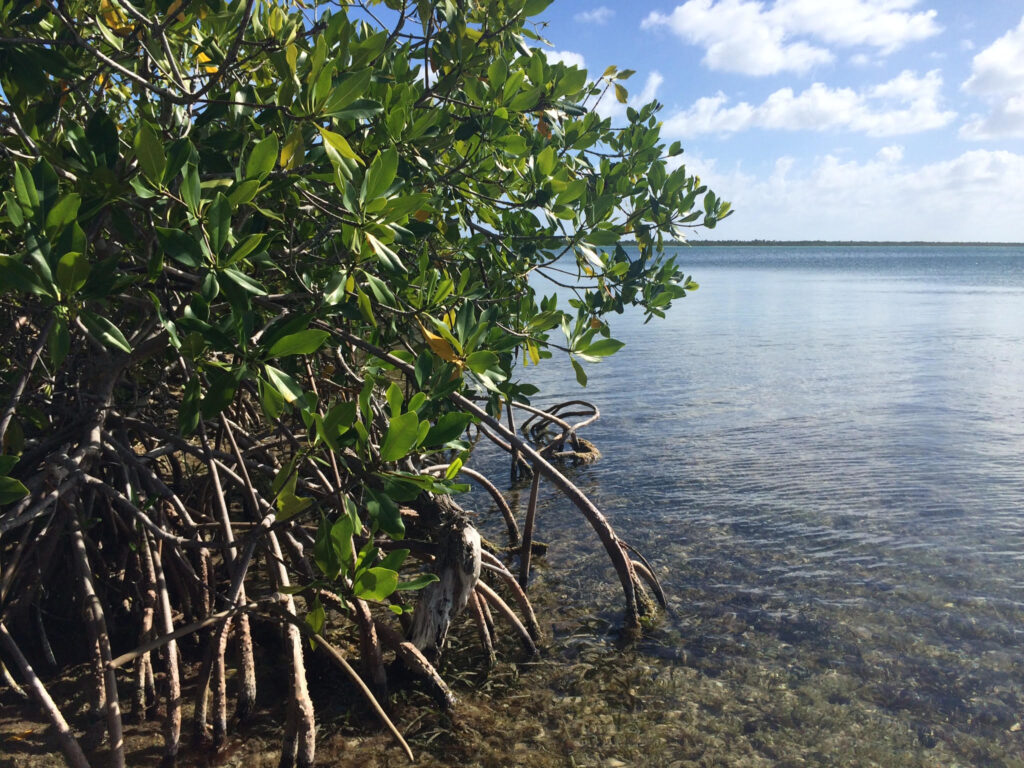
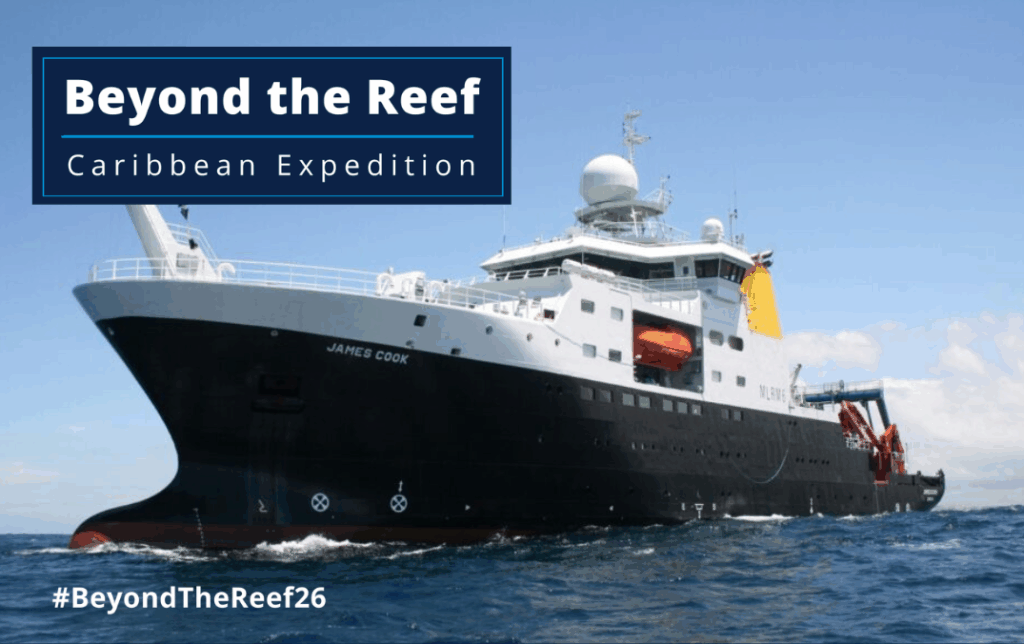
The Cayman Islands are renowned for their clear waters and vibrant near shore coral reefs, yet far offshore lie little‑explored underwater banks and deep sea habitats. Over 12 days onboard the RRS James Cook, eight scientists from the Cayman Islands …
On the 31st of January, the RRS James Cook sailed into Turks and Caicos waters, ready to uncover an unknown world in the depths. Generations of local knowledge and extensive research is available for the shallow, coastal waters of the Turks and Caicos Islands (TCI). In contrast, there …
In Part 2 of this Q&A, we dive beneath the surface with Kelly Forsythe, Blue Belt Programme Officer for the Cayman islands’ Department of Environment, to learn more about the crew, and how the data generated will be used to support marine management in the future.
In this Q&A, we dive beneath the surface with Kelly Forsythe, Blue Belt Programme Officer for the Cayman islands’ Department of Environment, to explore what makes the Cayman Islands’ marine habitats so distinctive, the challenges they face, and the innovative steps being taken to protect them.
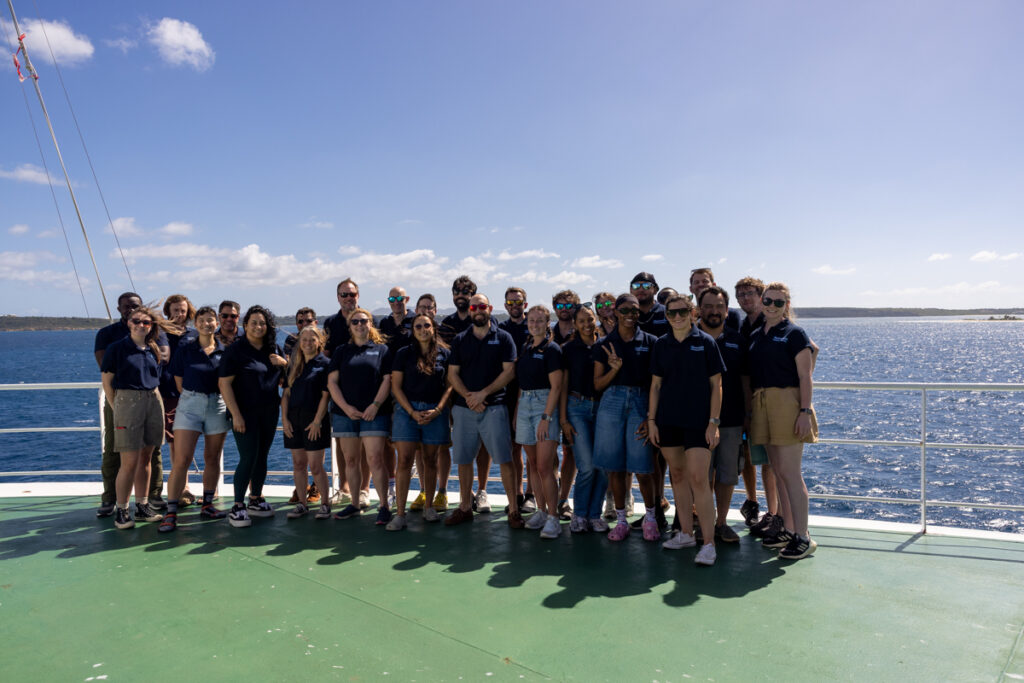
Anguilla is known for its vibrant coastal waters with coral reefs and sandy beaches. But its exclusive economic zone (the area of sea Anguilla is responsible for) is vast. Stretching almost 200 nautical miles north-east of the island, much of it had never been scientifically surveyed. However, 25 scientists and technical officers from Anguilla and …
After years of collaboration, the Blue Belt Programme is delighted to welcome the Joint Nature Conservation Committee (JNCC) as an Associate Partner. The partnership brings together world-leading expertise in marine conservation and natural resource management.
With oceans and biodiversity high on the agenda at COP30 in Belém this week, the vital role that marine ecosystems play in both tackling and adapting to climate change — especially for smaller islands and territories — is gaining increasing attention. A key part of the Blue Belt Programme's work is partnering with the UK …
In January 2026, the Blue Belt Programme will set sail from the Dominican Republic to the Territories of Anguilla, Turks and Caicos, and the Cayman Islands. This is the first expedition to the Caribbean in the 10-year history of the …
Since its initiation in 2016, the UK Government’s Blue Belt Programme has been at the forefront of global marine protection, working closely with the UK Overseas Territories (UKOTs) to establish and manage one of the largest networks of marine protected …
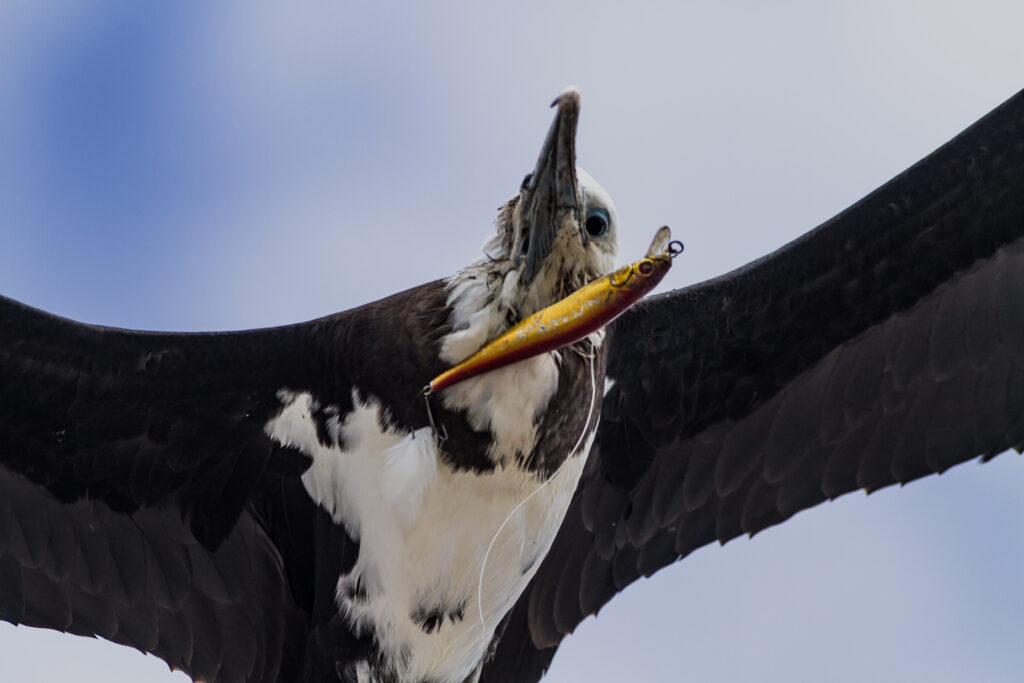
Co-authored by Alex McGoran and Laura Shearer. What is the typical diet of most seabirds? You’d expect a smorgasbord of marine life such as fish, squid and krill. Unfortunately, plastic debris is becoming an increasingly common component of seabird diets …