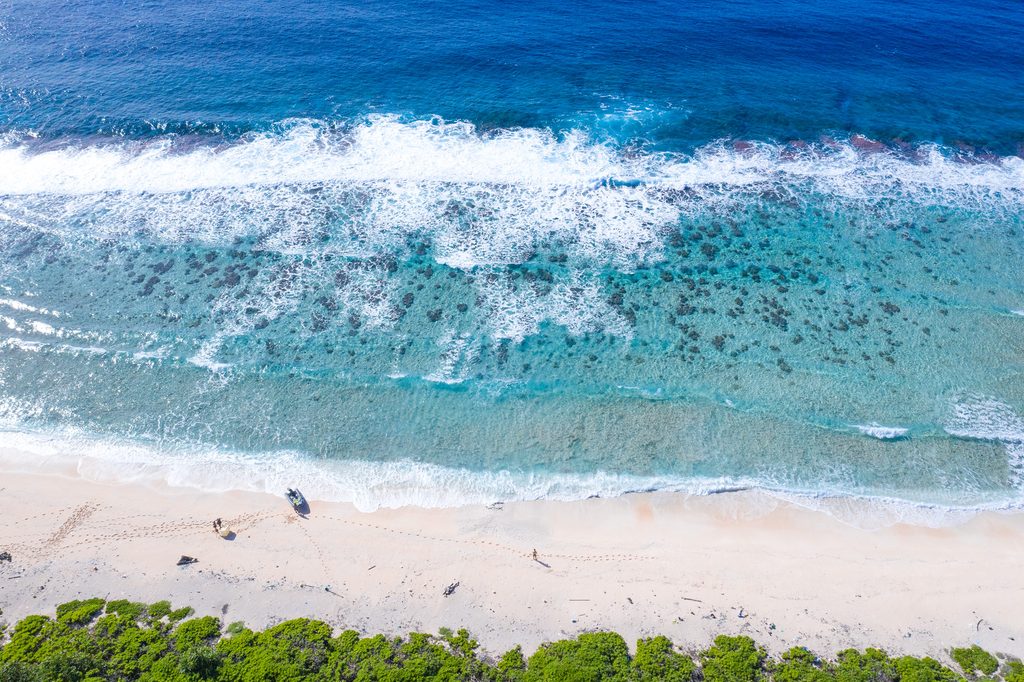
As the Convention on Biological Diversity COP17 begins in Yerevan, Armenia, this week, the global 30 by 30 target will be firmly in focus: conserving and effectively managing at least 30% of the world’s land, inland waters, coastal areas and ocean by 2030. Marine Protected Areas are central to achieving that ambition—but their success depends on more than designation. Through the UK Government’s Blue Belt Programme, the UK Overseas Territories receive scientific, technical and management support to protect over 4 million square kilometres ocean. This three-part series explores what that looks like in practice, from MPA design and management to long-term monitoring and adaptation.
So, you want to protect an area of the ocean and all that lives within it. How do you go about doing this?
Maybe you'd consider establishing a Marine Protected Area, or MPA. Close off a not insignificant area of ocean and prohibit all human activity.
Job done, right?
Not quite. MPAs are far more nuanced, and far more interesting, than a line drawn on a map.
When designed well, governed equitably and managed effectively, MPAs are one of the most effective tools we have for marine conservation. They are a cornerstone of efforts to safeguard the unique marine ecosystems of the UK Overseas Territories and support the long-term health and resilience of our oceans.
While definitions vary, an MPA is broadly understood as a clearly defined area of ocean that is designated and managed to achieve the long-term protection of habitats, species or whole ecosystems. By managing human activities and reducing pressures on the marine environment, MPAs help ecosystems recover, rebuild biodiversity and become more resilient to future threats.
Not all MPAs are the same
MPAs exist along a spectrum of protection, depending on what they've been designated to achieve.
At one end, fully or highly protected MPAs, or no-take zones, are explicitly shielded from damaging and extractive human activities such as fishing, mining, and oil and gas drilling and production.
At the other end are sustainable use MPAs, where conservation and carefully managed human activities coexist. Fishing, tourism and recreation may be permitted under specific regulations, provided they're carried out in a way that maintains or helps improve the health, biodiversity and ecological integrity of the marine environment for future generations.
Many MPAs combine both approaches through zoning, allowing different levels of protection to work together as part of a wider marine management framework. Ascension Island offers a striking example. It has the third largest MPA in the South Atlantic, an area of ocean the size of France, stewarded by a tiny island. Around 90% of this MPA is a no-take zone, but along its coast, recreational and subsistence fishing is allowed by local communities.
Regardless of design or level of protection, all MPAs share the same fundamental purpose: to conserve biodiversity, protect endangered and vulnerable species, preserve critical habitats and maintain healthy, functioning marine ecosystems.
It's not just about the wildlife
The ecological benefits of MPAs are well recognised, but their value extends far beyond protecting habitats and species.
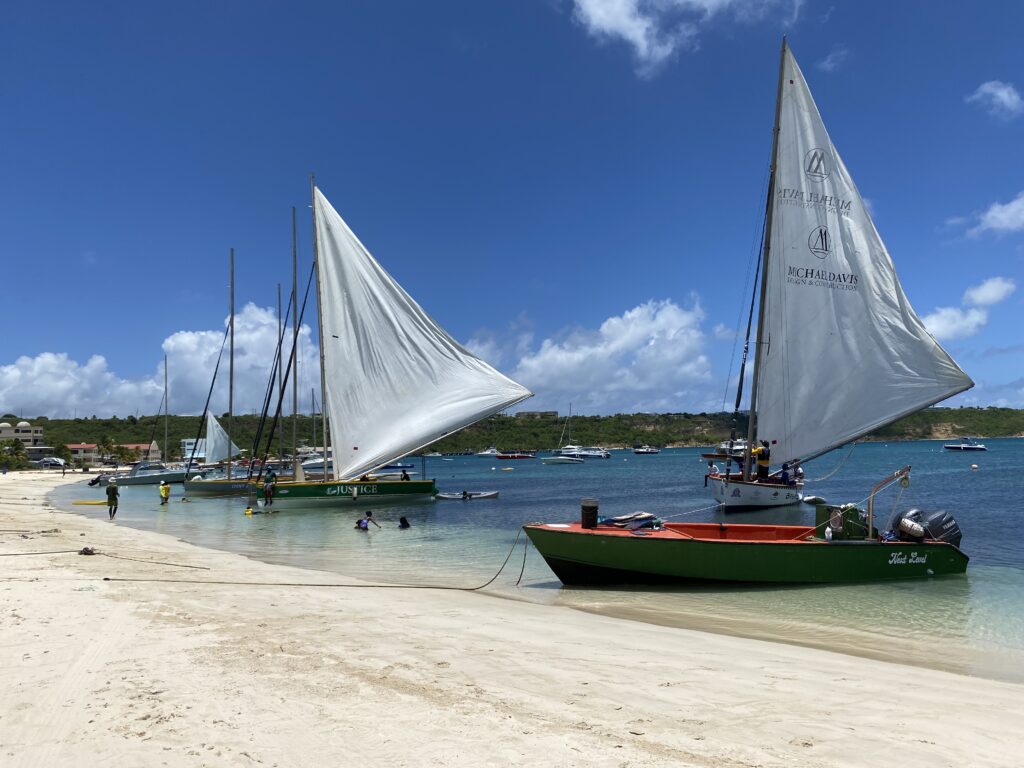
Well-managed MPAs can support healthier fish stocks and improve fisheries productivity through what's known as the "spillover" effect, where fish and other marine species move beyond protected boundaries into surrounding waters. This can help replenish depleted stocks, improve catches, strengthen food security and increase household incomes in coastal communities. The benefits often extend through the wider seafood supply chain too, supporting fishers, processors and exporters. At the same time, MPAs can create new opportunities for marine nature-based tourism such as snorkelling and wildlife watching, generating jobs, diversifying local economies and reducing reliance on a single source of income.
MPAs also provide important social and cultural benefits. When designed and managed with local communities, they can foster a great sense of pride, environmental stewardship and connection to the marine environment, while preserving cultural traditions and creating opportunities for recreation and improved wellbeing.

Increasingly, MPAs are recognised as valuable tools for climate change mitigation and adaptation. By protecting blue carbon habitats such as mangroves, seagrass and kelp, MPAs help store carbon and reduce emissions from habitat degradation. Healthy coastal ecosystems also act as natural defences against storms, flooding and erosion, helping communities adapt to a changing climate.
From supporting sustainable fisheries and tourism to strengthening climate resilience, MPAs provide a wide range of benefits for both people and nature. In our next blog, we'll look at how MPAs are actually managed, because designating one is just the beginning of the story.
Leave a comment